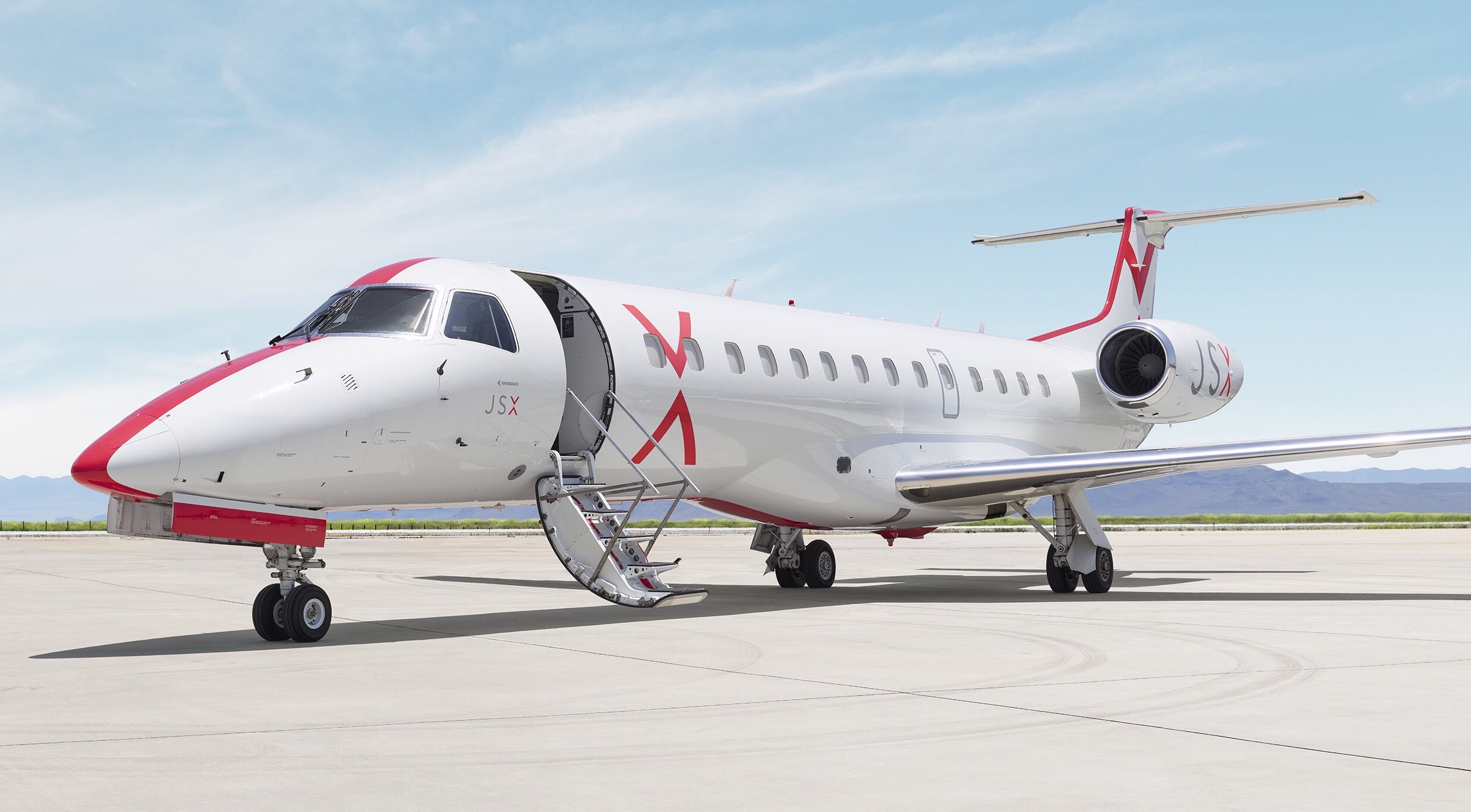
Section 1: The Core Differences in Ground Experience (JSX vs Commercial Flights) The most jarring contrast in the jsx vs commercial flights debate occurs before you ever leave the ground. While commercial aviation has leaned into “maximum dwell time,” JSX has engineered a “hop-on” model that prioritizes the passenger’s schedule. The 20-Minute Check-In Revolution When you choose jsx vs commercial flights, you trade hours for minutes. Security Protocols: Friction vs. Flow The security aspect of jsx vs commercial flights is governed by different FAA regulations. Section 2: Pricing and Value Proposition (JSX vs Commercial Flights) A common misconception in the jsx vs commercial flights comparison is that semi-private travel is only for the ultra-wealthy. In 2026, the price gap has narrowed significantly. Feature Commercial (Economy/Business) JSX (Hop-On/All-In) Typical Price (Short Haul) $79 – $450 $159 – $599 Baggage Fees $30 – $100 per bag 2 to 3 Bags Included Free Wi-Fi Cost $10 – $25 per flight Free Starlink Wi-Fi Seat Assignment Fee-based (Economy) Included When evaluating the total cost of jsx vs commercial flights, you must factor in the “incidental” costs of commercial travel. By the time you pay for checked bags, seat selection, and airport parking, the price of jsx vs commercial flights often becomes a wash, especially for business travelers who value their hourly rate. Section 3: Onboard Comfort and Fleet (JSX vs Commercial Flights) The physical environment of jsx vs commercial flights is where the “semi-private” label truly shines. JSX operates a fleet of 30-seat Embraer ERJ-135 and 145 aircraft, while commercial carriers use everything from 737s to A321s with 150+ seats. Cabin Configuration Tech and Connectivity As of 2026, the jsx vs commercial flights tech war has been won by SpaceX’s Starlink. JSX provides complimentary, high-speed, low-latency Starlink Wi-Fi on every flight with a one-click connection. Commercial flights often require a complex login process and tiered payment structures for similar speeds. Section 4: The 2026 Pet Policy (JSX vs Commercial Flights) For those traveling with animals, the jsx vs commercial flights choice is usually an easy one. JSX has long been considered the most pet-friendly option in the sky. Section 5: 10 Essential FAQs—JSX vs Commercial Flights 1. Is JSX safer than commercial flights? In the jsx vs commercial flights safety comparison, both meet rigorous FAA standards. While commercial airlines follow Part 121, JSX follows Part 135/380, which includes reinforced cockpit doors and advanced AI-based security screening. 2. Can I earn miles with JSX like I do with commercial flights? Yes! A major advantage in the jsx vs commercial flights battle is that JSX has partnerships with United MileagePlus and JetBlue TrueBlue, allowing you to earn points on semi-private journeys. 3. Do JSX vs commercial flights use the same airports? They often use the same airport (like Dallas Love Field) but different terminals. JSX uses private FBO terminals, avoiding the main commercial concourse entirely. 4. Are there liquids restrictions on JSX vs commercial flights? Due to 2026 TSA updates, JSX now enforces standard liquid rules for items entering the cabin, similar to commercial flights, though the screening process remains much faster. 5. What is the cancellation policy for JSX vs commercial flights? JSX “All In” fares are fully refundable. In the jsx vs commercial flights flexibility category, JSX is often more lenient than commercial “Basic Economy” tickets, which are usually use-it-or-lose-it. 6. Does JSX fly long-haul like commercial flights? No. In the jsx vs commercial flights range comparison, JSX is strictly short-to-medium haul (usually under 4 hours), whereas commercial airlines dominate long-haul and international routes. 7. Is food better on JSX vs commercial flights? JSX offers a curated “snack basket” and a full open bar for free. While commercial First Class has hot meals, JSX beats commercial Economy and “Comfort+” in the jsx vs commercial flights catering department. 8. Can I use TSA PreCheck with JSX? Since JSX doesn’t use standard TSA checkpoints, you don’t use the PreCheck lane. However, because you are vetted against the “Secure Flight” list, the jsx vs commercial flights experience feels faster than PreCheck anyway. 9. Are JSX flights more prone to delays than commercial flights? Because JSX operates fewer planes, a mechanical issue can cause a longer delay. However, because they don’t rely on massive hub-and-spoke systems, they are often less affected by the airport-wide congestion that delays commercial flights. 10. Is there a dress code for JSX vs commercial flights? No, both allow casual attire, though the “semi-private” nature of JSX often attracts a more business-casual demographic. Section 6: Conclusion—Which Should You Choose? The winner of the jsx vs commercial flights showdown depends entirely on your priorities. If you are traveling on a strict budget and don’t mind arriving two hours early, commercial flights remain the most accessible option. However, if you value your time, loathe the “sea of humanity” at major terminals, or are traveling with a large pet, JSX is the undisputed champion of 2026. By choosing jsx vs commercial flights, you aren’t just buying a ticket; you are buying back your time. The ability to pull up to a terminal at 1:40 PM for a 2:00 PM flight is a luxury that used to cost $10,000 in a private charter—now, it’s available for the price of a last-minute commercial seat. As you plan your 2026 travels, weigh the convenience of the private terminal against the cost of the commercial ticket, and you’ll likely find that JSX is the future of regional aviation.